The Original Queens of Cuisine: Celebrating Women Who Ruled, Healed and Built Communities through Food~
In celebration of International Women's Month, we are turning back the clock to honor the original female food pioneers. Long before "farm-to-table" was a thing or celebrity chefs dominated our screens, women were utilizing food as their primary tool for leadership, diplomacy, healing and survival. They weren’t just cooking; they were also building empires, sustaining communities, healing and defining cultures through the power of nourishment.
This month, we celebrate the queens — both literal and metaphorical — who understood that food is not merely sustenance; it is also the core of human connection, healing and power.
The Sovereigns of the Table: Ruling with Diplomacy and Discipline
Throughout history, food has been a central pillar of royal power. For many queens, the dining table was an extension of the throne room — a place where alliances were forged, enemies were neutralized, and majesty was displayed.
The Architect of Elegance: Catherine de’ Medici
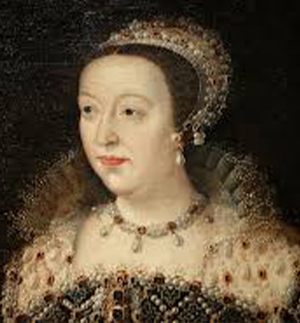
No discussion of food and power is complete without the formidable Catherine de’ Medici. While history often remembers her through a lens of political intrigue and "The Black Queen" persona, her most enduring legacy is arguably the culinary revolution she sparked.
When Catherine left Florence in 1533 to marry the future King Henry II of France, she didn’t just bring her dowry; she also brought an entire entourage of Italian chefs, pastry makers and sugar artists. At the time, French cuisine was still rooted in heavy, medieval styles. Catherine introduced the Renaissance of the palate.
How She Changed the Way We Eat:
The Introduction of the Fork: Before Catherine, the French elite largely ate with their hands or knives. She popularized the Italian fork, forever changing European table manners and elevating dining into a refined ritual.
The Birth of "French" Staples: It is widely credited that her chefs introduced the French court to delicacies they had never seen before — including macarons, sherbet (the precursor to sorbet), and frangipane.
Vegetable Diplomacy: She is said to have introduced artichokes, broccoli and Savoy cabbage to the French soil. For Catherine, exotic vegetables were a sign of a sophisticated, forward-thinking court.
The Separation of Sweet and Savory: In the Middle Ages, honey and meat were often mixed indiscriminately. Catherine helped formalize the structure of a meal, pushing for the distinction between savory courses and the sweet finale.
Food as a Shield: Catherine famously used lavish banquets — known as her "Magnificences" — as a political tool. In a time of brutal religious civil war, she used the dinner table to distract rivals, display the wealth of the Valois dynasty, and force enemies to break bread together.
For Catherine, food was the ultimate "soft power." She proved that you could conquer a nation not just with an army, but also with a well-timed feast and a silver fork.
Antónia Ferreira: The "Queen" of Port Wine
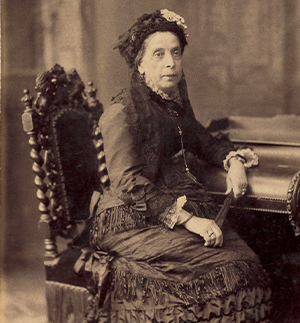
In 19th-century Portugal, Antónia Ferreira became one of the most successful landowners and businesswomen by channeling her energy into the production and trade of port wine. After being widowed in her thirties, she didn't just manage her estates; she also revolutionized the industry. Ferreira advocated for local winemaking at a time when Spanish imports were more popular, and she actively helped her farmers combat pestilence. Her leadership sustained entire communities and put Portuguese wine on the global map.
The Keepers of Wisdom: Food as Medicine and Survival
Long before modern medicine, women were the primary custodians of nutritional and botanical knowledge. For them, "food is medicine" was not a philosophy, but a necessity for survival.
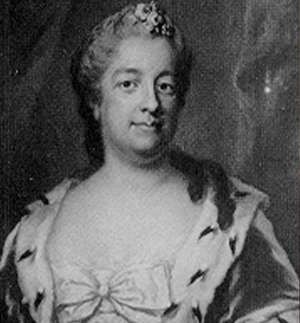
Eva Ekeblad: The Woman Who Saved a Nation from Famine
In the 18th century, Europe was regularly plagued by famines. The potato, though introduced, was seen as unfit for human consumption in Sweden. That is, until Eva Ekeblad, an aristocrat and scientist, began experimenting. In 1746, she discovered how to make flour and alcohol from potatoes. By transforming this marginalized crop into a staple food and useful commodity, Ekeblad helped her country avoid devastating food shortages, revolutionizing the Swedish diet and economy. Umm, yeah, Swedish meatballs and mashed potatoes?!! We’d be lost without those.
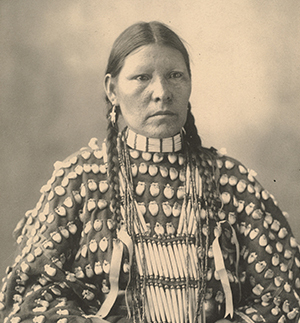
Indigenous Women: The Sacred Stewards of the Land
For millennia, Indigenous women globally have been the silent stewards of food systems that intertwine survival, culture and a deep spiritual connection to the land. As "knowledge keepers," healers and midwives, they have sustained traditional medicine through plant-based remedies and holistic wellness approaches.
In the Haudenosaunee tradition, women hold the cosmological connection to the land, informed by their Creation story. They passed down the sophisticated agricultural practice of planting the "Three Sisters" — corn, beans and squash — which support each other to sustain the soil and the people. Today, these women are leading movements to reclaim this heritage, transforming kitchens into spaces for cultural sovereignty and intergenerational healing.
The Architects of Modern Eating
The 18th and 19th centuries saw a new kind of food pioneer: the authors and inventors who standardized and modernized how we understand and prepare food.
These three women represent the shift from cooking as a domestic chore to cooking as a national identity, a rigorous science, and a global industrial standard. Here is an expanded look at their legacies.
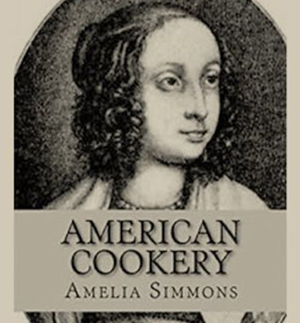
Amelia Simmons: The Mother of American Cuisine
Before 1796, "American" cooking was essentially British cooking. Colonial kitchens relied on imported English manuals that called for ingredients unavailable in the New World.
- The Declaration of Culinary Independence: With the publication of American Cookery, Simmons gave the young United States its first flavors of autonomy. She was the first to swap British oats for native maize (cornmeal), giving us the first recorded recipes for johnnycakes and Indian pudding.
- A "Pearlash" Revolution: She introduced the use of pearlash (a precursor to baking powder) as a leavening agent. This was a massive technological leap; it meant American bakers no longer had to rely solely on fickle yeast or the exhausting process of beating air into eggs for hours.
- The Thanksgiving Blueprint: If you enjoy pumpkin pie or cranberry sauce at the holidays, you have Amelia to thank. Her book contained the first printed recipes for these iconic pairings, effectively designing the "American" palate we still recognize today.
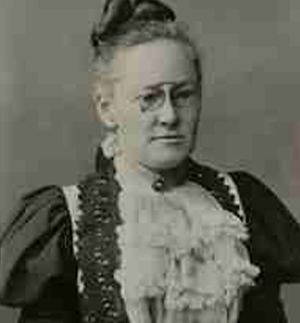
Fannie Farmer: The Mother of Level Measurements
In the late 1800s, recipes were terrifyingly vague. Instructions like "a teacup of flour," "a walnut-sized piece of butter," or "a pinch of salt" led to inconsistent results and wasted food.
- From "Invalid" to Expert: A paralytic stroke at age 16 left Fannie unable to walk for years. During her recovery, she turned her focus to the kitchen. She realized that for food to be "medicine," it had to be consistent.
- The Science of the Scoop: When she became the principal of the Boston Cooking School, she insisted on level measurements. She standardized the 1-cup, 1/2-cup, and tablespoon increments we use today.
- The "Mother of Measurements": Her 1896 Boston Cooking-School Cook Book became a massive bestseller because it empowered anyone to be a successful cook. She stripped away the "magic" and "intuition" of the kitchen and replaced them with reproducible science, ensuring that a cake baked in Maine would taste exactly like one baked in California.
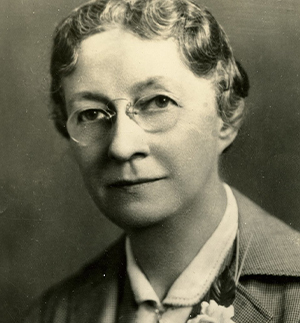
Mary Engle Pennington: The "Ice Woman" of Food Safety
At the turn of the 20th century, eating fresh milk or meat in a city was a gamble; food spoilage killed thousands of people every year. Mary Engle Pennington, a brilliant chemist who had to fight for her degree because she was a woman, became the literal "coolest" person in food history.
- The FDA Pioneer: As the first chief of the Food Research Laboratory (now part of the FDA), Mary realized that the problem wasn't just how food was grown, but also how it was transported.
- The Refrigerator Car: She spent years living on trains, studying how temperature affected bacteria. She redesigned refrigerated boxcars with better insulation and airflow, ensuring that produce could travel thousands of miles without rotting.
- Standardizing Safety: She developed the first standards for the "cold chain" — the system of constant refrigeration from farm to processor to table. Because of Mary, the "urban" diet changed forever. People in frozen climates could suddenly eat fresh oranges in winter, and the fear of "ptomaine poisoning" (a common term for foodborne illness back then) began to fade into history.
The Modern Vanguard: Reclaiming Food as a Human Right
If Catherine de’ Medici used food to build a dynasty, today’s food pioneers are using it to dismantle systems of inequality and heal the planet. The legacy of "food as power" has shifted from the royal banquet hall to the community garden and the global stage.
Here are the modern queens of the kitchen who are redefining what it means to lead through nourishment:
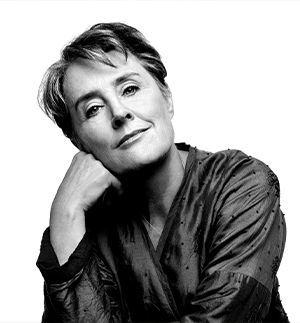
Alice Waters: The Edible Activist
Alice Waters didn’t just start a restaurant; she also started a revolution. By opening Chez Panisse in 1971, she pioneered the Farm-to-Table movement, arguing that "eating is a political act."
- The Power Shift: She took power away from industrial food systems and gave it back to local farmers.
- The Legacy: Through her Edible Schoolyard Project, she has turned school gardens into "classrooms without walls," teaching children that food sovereignty is the foundation of a healthy society.

Josephine Baker: Sustenance for the Resistance
While we know her as a legendary performer and spy, Josephine Baker used food as a vital tool for survival and social justice.
- The Power Shift: During WWII, she used her fortune to buy food for the starving citizens of liberated Paris. Later, she famously used her platform to demand integrated seating in American restaurants, refusing to perform unless everyone — regardless of race — could eat together.
- The Legacy: She viewed the communal table as the ultimate space for racial harmony, famously raising her "Rainbow Tribe" of children to show the world that diversity is our greatest strength.
The Modern Sovereigns: Food Justice & Innovation
Today, women are leading the charge in Food Sovereignty — the right of people to define their own food systems.
- Asma Khan: A "Queen of the Kitchen" in London, she uses her restaurant, Darjeeling Express, to empower an all-female team of home cooks, many of whom are immigrants. She uses food to tell the stories of women whose culinary wisdom is often overlooked by the "fine dining" elite.
- Indigenous Knowledge Keepers: Women like Mohegan chef Rachel Sayet are leading the "Decolonizing the Plate" movement. They are reclaiming ancient seeds and traditional cooking methods as a way to heal intergenerational trauma and restore the health of their communities.
- Global Leaders: In 2026, the UN has designated the International Year of the Woman Farmer. This initiative celebrates the fact that women produce more than half of the world’s food, yet often have the least access to land and resources. These modern pioneers are fighting for legal rights and environmental justice, proving that the person who grows the food holds the key to the future.
A New Kind of Leadership
From Catherine de’ Medici’s silver forks to Alice Waters’ organic gardens, these women have shown us that food is never just food. It is a language of diplomacy, a strategy against oppression, a medicine for the soul and a delicious tool for connection.
When we celebrate International Women’s Month, we aren't just celebrating "cooking" — we are celebrating the female architects of our culture.
During this International Women's Month, as we enjoy our meals, we invite you to take a moment to honor these original queens of cuisine. They understood that to feed someone is to offer love, connection, nutrition and honors their happiness, and, at certain times, their survival. They used that incite to rule with wisdom, heal with nature, and pave the way for generations of women to come. Their legacy doesn't just nourish our bodies; it inspires our spirits.
Cheers to these Pioneers~